Friday, 18 March 2011

The Science of Sport

Year 4 have been investigating the science behind exercise this week.

We wanted to find out what happened to our heart beat or pulse rate when we exercised.

We started by sitting quietly and taking our resting pulse. Then we ran around the playground for 2 minutes. We got hot and breathless, but it was fun!

Immediately after we had finished, we measured our pulse rate again. It had gone up. It was much faster!

We came back instide and got on with our work, but stopped to again measure our pulse rate every 5 minutes.

Our pulse rate gradually slowed down over the next 20 minutes. By then it had returned to its normal resting rate.

The table shows you how Muhammed's pulse rate dropped.

We learned that our pulse rate increases when we exercise, but falls again slowly when we stop.


Hello From California!

4N's pen pals from Vannoy Elementary School in Castro Valley, California in the USA sent us a message this week.

Have a look below at the videos they sent us!


Hello Mr. Nicholson!
Greetings from America. My 4th graders made videos for your students.


The videos are spilt into 4 parts. Hopefully we can send some letters with Mrs. Nicholson before April.

From, Miss Lee


Monday, 14 March 2011

Spelling Words - Olympic Week


Spelling words for all spelling groups - Week of 14th March 2011

sports
Olympic
compete
rings
train
race
medal
venue
stadium
podium
movement
competition
celebrate
athletics
swimming
personal
encourage
dedicate
spectator
spectacular

Monday, 7 March 2011

Spelling Words - Week of 7th March 2011

Spelling Test is on Friday.

Apples (including endings -ful, -ly, -ive and -ic)
hopeful
hurtful
beautiful
careful
wonderful
painful
quickly
secretively
jokingly
strangely
speedily
curiously
expensive
narrative
decorative
explosive
photographic
scientific
allergic
horrific

Bananas (including -dge, -dom, and -ea )
badge
edge
judge
ledge
ridge
knowledge
freedom
kingdom
seldom
wisdom
bread
instead
leader
dread
steady
meal
real
steal
healthy
reason

Year 4 Spring half-term Homework Project: ‘Our Footprint on the Earth’


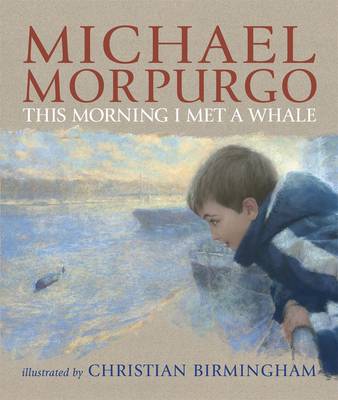
We have used ‘This Morning I Met A Whale’ to launch our project about the footprint humans are leaving on the planet.

We brainstormed many different ways this can be seen, including:
Global warming (rising temperatures)
Deforestation (cutting down too many trees for farms and raising animals for food)
Coral reefs dying
Plastic floating on the seas and being eaten by birds and other wildlife
Endangered animals
Humans fighting other humans
Pollution

We have also looked at some of the good things people are doing to try and ‘soften’ our footprint:
Trying to help the Thames Whale survive
Renewable energy like wind, solar and hydro (water) for less pollution
Protecting endangered animals
Recycling
Being better friends
and understanding others to get along better

We have begun collecting our research in school and for homework.

Here are some helpful websites for our project:
Thames Whale News story
and
CBBC Newsround

Find out about carbon footprints here

Here is a guide to different types of energy

Press Pack Reports tell about what children across the UK think about the environment. Here, 11 year old Zahaib from Halifax has his say.

First News - a newspaper for children

National Geographic for Children

Message in the Waves is a website from the BBC Natural History Unit showing environmental challenges in the Hawaiian islands, especially difficulties faced by birds, sea life and people.

Zero Footprint Youth Calculator (follow the questions to see how you can help the environment)

To create a newspaper for your project, you can use the printing press template from Read Write Think. Click here to get started. You will need to print it once you've finished.

This Morning I Met A Whale!


Year 4 has been reading Michael Morpurgo’s chapter book This Morning I Met A Whale

It is based on the true story of the Thames Whale, which seems to have got lost and made its way into London up the Thames River in 2006.

The story is about a young boy named Michael, who at sunrise spots a whale on the shores of the Thames and thinks he must be dreaming. But the creature is real and brings a message for him - humans must mend the damage they are doing to the planet before it is too late. But how can Michael fulfil his promise to tell others when neither his teacher nor his classmates will believe his story?

The story is about one boy's special relationship with the whale that swam up the Thames. It also provides a powerful message about saving the environment.

DO NOT TOUCH! Year 4 Visit London's Science Museum

Children in 4N and 4L were filled with excitement about visiting the Science Museum on Wednesday.

We learned loads about energy, such as different ways to make it. For example, you can burn fossil fuels like gas, oil and coal, but these also pollute. Or ‘renewable’ ways are also possible, like solar (using the sun), hydro power (like wave power or dams) and wind (using giant windmills mainly along the coast of our island nation).

We also visited the museum’s ‘Launchpad’ area, where we had a go at ‘hands-on’ investigations. Many of the investigations involved forces, motion and electricity, which we’ve looked at in Year 4.

Here’s a short video of our experience,. Enjoy!